
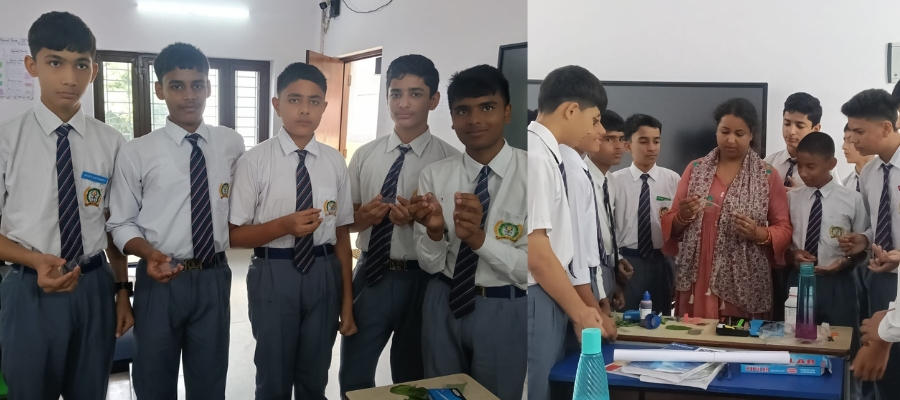
A Leaf Science Experiment in Dehradun Schools is an engaging way to introduce students to the fascinating world of plants and nature. Practical science activities encourage children to observe, explore, and understand scientific concepts through real-life experiences instead of relying only on textbooks. This activity-based learning approach makes science enjoyable while improving curiosity, creativity, and critical thinking.
Schools that follow the Central Board of Secondary Education (CBSE) curriculum believe in combining classroom learning with practical experiences. Science experiments encourage students to ask questions, make observations, and develop logical thinking skills. Whether students are identifying different types of leaves or learning about photosynthesis, every activity helps them gain a deeper understanding of science.
From PG to Class 10, students participate in interactive classroom experiments that strengthen their knowledge and make learning meaningful. These practical experiences help children connect academic concepts with the natural world while developing a lifelong interest in science.
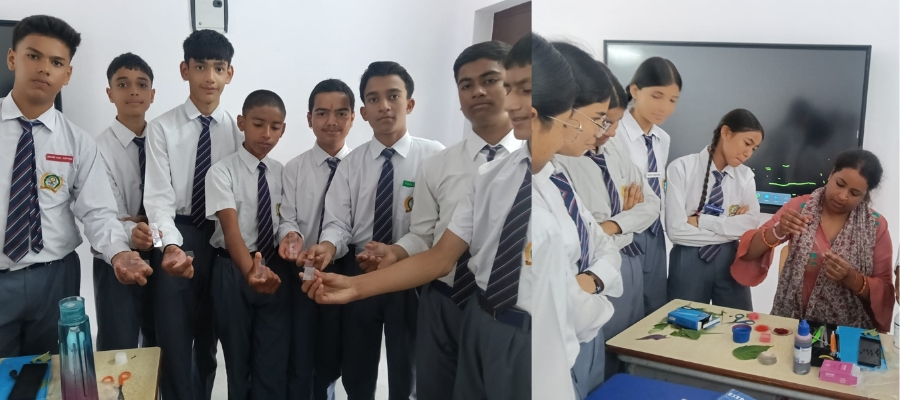
Why Leaf Science Experiments Are Important(Leaf Science Experiment in Dehradun Schools)
Leaf science experiments are much more than simple classroom activities. They help students connect science lessons with the environment around them. By observing leaves closely, children learn to identify similarities and differences, ask questions, and think scientifically.
Practical learning also increases classroom participation because students become active learners instead of passive listeners. This approach improves understanding and helps students retain concepts for a longer time.
Benefits of Leaf Science Experiments
- Improves observation and analytical skills.
- Encourages curiosity and scientific thinking.
- Promotes environmental awareness.
- Makes science lessons interactive and enjoyable.
- Builds confidence through practical learning.
- Strengthens teamwork and communication skills.
- Supports the CBSE approach to activity-based education.
Students who participate in experiments often develop a greater interest in science because they experience learning through discovery.
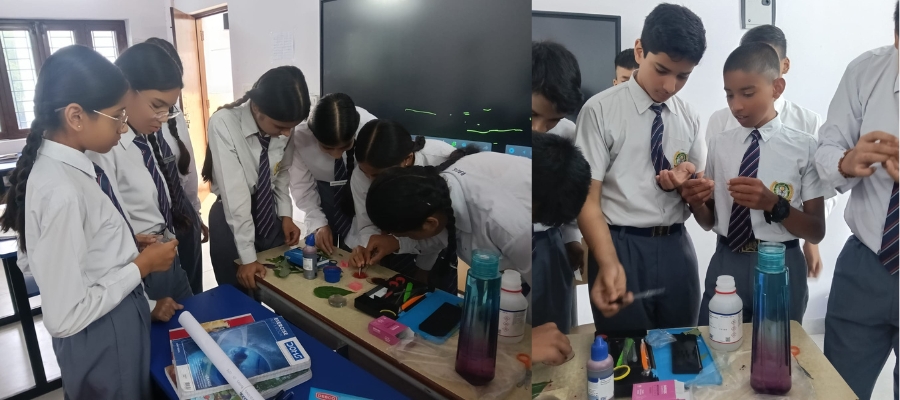
What Students Learn Through a Leaf Science Experiment in Dehradun Schools
A Leaf Science Experiment in Dehradun Schools introduces students to the amazing world of plants. Instead of simply memorizing facts, students gain practical knowledge by observing real leaves and understanding their structure and functions.
During this activity, students learn about:
- Different types of leaves
- Leaf shapes, sizes, and textures
- Parts of a leaf and their functions
- Leaf veins and their importance
- Photosynthesis in simple language
- Why plants need sunlight, water, and air
- The importance of trees in maintaining ecological balance
This hands-on approach helps students understand scientific concepts more clearly while encouraging them to appreciate nature and the environment.
CBSE-Based Practical Learning for Holistic Development(Leaf Science Experiment in Dehradun Schools)
Schools following the CBSE curriculum believe that education should focus on both academic excellence and overall personality development. Activity-based learning helps students understand concepts more effectively while developing creativity, communication, leadership, and problem-solving skills.
Schools offering classes from PG to Class 10 provide students with opportunities to participate in a wide range of academic and co-curricular activities throughout the year.
These include:
- Debates and Elocution
- Sports and Athletics
- Performing Arts
- Quiz Competitions
- Cultural Events
- Art and Craft Activities
- Leadership and Personality Development Workshops
- Social Service Initiatives
Recently, schools also organized Mind Fresh Sessions to support quality learning. These sessions helped students improve concentration, stay motivated, reduce academic stress, and enjoy learning in a positive classroom environment. Students actively participated and appreciated these engaging sessions.
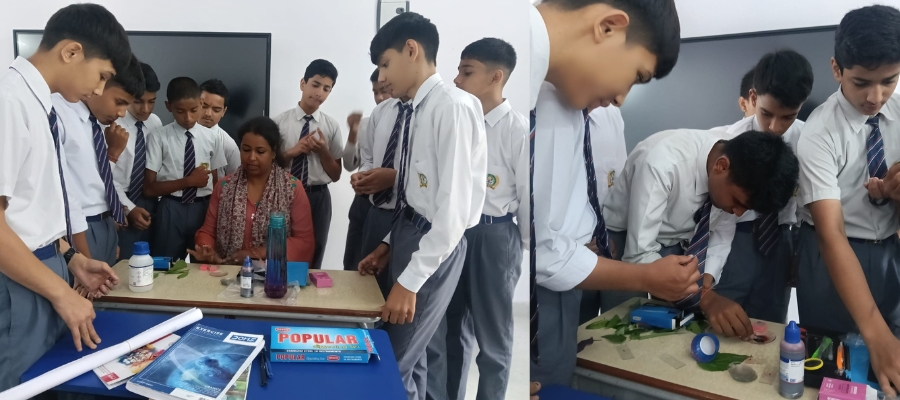
Learning Beyond the Classroom(Leaf Science Experiment in Dehradun Schools)
Quality education extends beyond textbooks. Practical science activities, outdoor observations, classroom projects, and collaborative learning experiences encourage students to apply their knowledge in real-life situations.
Leaf science experiments also help children understand the importance of environmental conservation. By studying different leaves, students learn why trees are essential for clean air, biodiversity, and a healthy ecosystem. These experiences inspire responsible habits and encourage students to care for nature.
Along with science education, participation in sports, cultural programs, leadership workshops, art and craft, and quiz competitions contributes to the overall growth and confidence of every student.
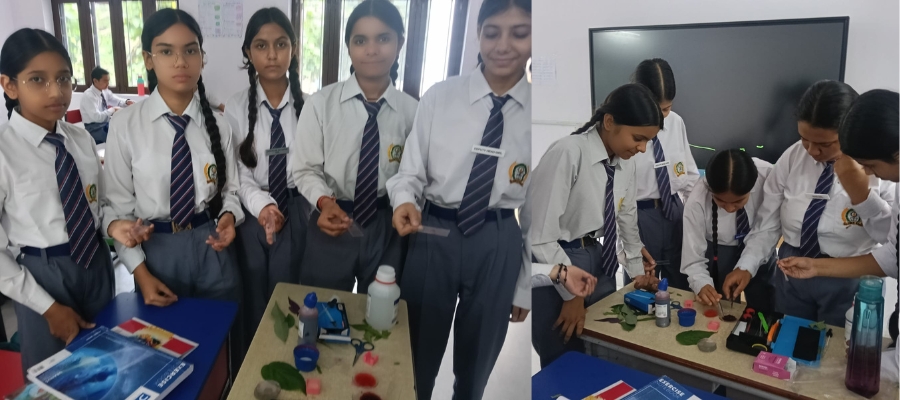
Developing Scientific Thinking and Environmental Awareness
Scientific learning begins with observation and curiosity. A leaf science experiment encourages students to ask questions, investigate answers, and develop logical thinking skills. They learn that science is not limited to classrooms but is present in everyday life.
Environmental awareness is another important outcome of this activity. Students understand the role of leaves in photosynthesis, oxygen production, and maintaining ecological balance. As a result, they develop respect for nature and recognize the importance of protecting the environment.
Hands-on science learning also improves memory because students remember concepts better when they actively participate in experiments instead of only reading about them.
Frequently Asked Questions
What is a Leaf Science Experiment?
A leaf science experiment is a practical classroom activity where students study different types of leaves, their structure, functions, and importance through observation and hands-on learning.
What are the benefits of a leaf science experiment?
Leaf science experiments improve observation skills, scientific thinking, environmental awareness, teamwork, and problem-solving abilities while making science more engaging.
How does the CBSE curriculum support practical learning?
The CBSE curriculum promotes activity-based education through science experiments, projects, classroom activities, and interactive teaching methods that strengthen conceptual understanding.
Why are practical science activities important for students?
Practical science activities help students apply classroom knowledge, develop confidence, improve critical thinking, and make learning more enjoyable and effective.
Conclusion
A Leaf Science Experiment in Dehradun Schools is an excellent example of practical, activity-based learning that inspires curiosity, creativity, and scientific thinking. Through hands-on experiments, students gain a deeper understanding of plant science while improving observation, analytical, and problem-solving skills.
Schools following the CBSE curriculum provide a balanced educational experience by combining quality academics with practical science experiments, sports, cultural activities, debates, performing arts, quiz competitions, art and craft, leadership and personality development workshops, social service initiatives, and Mind Fresh Sessions. These opportunities support the holistic development of students from PG to Class 10.
A Leaf Science Experiment in Dehradun Schools inspires students to explore nature through practical learning while supporting the CBSE approach to activity-based education. Such experiences build scientific thinking, creativity, confidence, and environmental awareness, helping students become lifelong learners.